








Food waste is often caused by small, everyday habits: buying more than you need, forgetting what is in the refrigerator, or throwing away food that could have been used another way. The good news is that a few simple changes can make a noticeable difference.
Reducing food waste at home can also help you save money, simplify meal planning, and get more value from every grocery trip. Here are practical steps you can use in your kitchen.
Plan Before You Shop
One of the easiest ways to waste less food is to make a shopping plan. Before heading to the store, take a quick look through your refrigerator, freezer, and pantry.
Check what you already have
Make a short list of foods that need to be used soon. Look for:
– Produce that is becoming soft
– Dairy products nearing their date
– Open packages in the pantry
– Frozen foods that have been stored for a long time
– Leftovers from recent meals
Use these items as the starting point for your next few meals. For example, vegetables that are past their best appearance may work well in soup, pasta, fried rice, or a casserole.
Plan flexible meals
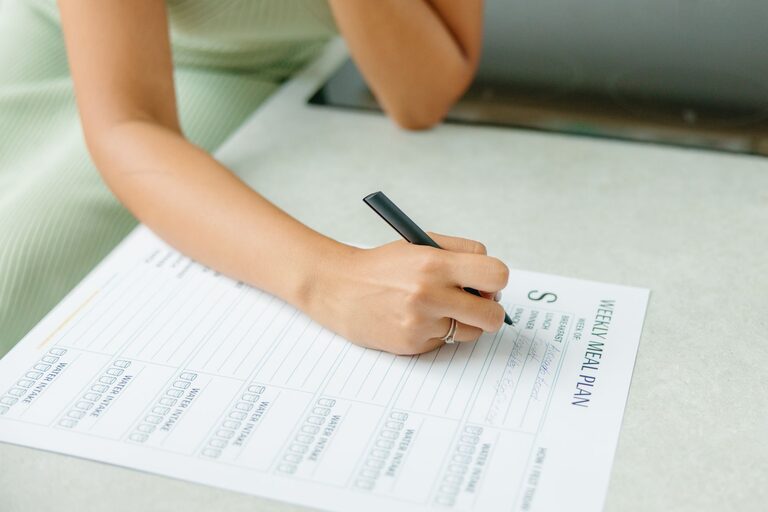
You do not need to plan every meal in detail. Instead, choose a few main dishes that can share ingredients. If you buy spinach for one recipe, plan to use it in a salad, omelet, or sandwich as well.
It also helps to include at least one “use-it-up” meal each week. This could be a soup, grain bowl, stir-fry, or homemade pizza that combines several foods already on hand.
Shop with a list
A shopping list helps you avoid impulse purchases and duplicate items. Organize the list by store section, such as produce, dairy, pantry, and frozen foods. Check items off as you shop, and try to stick to the quantities you expect to use.
Store Food the Right Way
Proper storage can extend freshness and prevent food from being forgotten or spoiled.
Organize your refrigerator
Keep foods that need to be eaten soon where you can easily see them. A designated “eat first” area can help. Place leftovers and opened packages on one shelf or in one container section.
Avoid overfilling the refrigerator. When air cannot circulate, some foods may not stay fresh as long. Keep raw foods safely separated from ready-to-eat items, and clean spills promptly.
Store produce thoughtfully
Different fruits and vegetables have different storage needs. Some produce keeps better in the refrigerator, while other items are best stored at room temperature. Use breathable bags or containers when appropriate, and avoid washing delicate produce until you are ready to use it.
Keep foods that release ripening gases away from produce that spoils quickly. If bananas or avocados are ripening faster than you can eat them, move them to a cooler location or use them in smoothies and baked goods.
Label leftovers
Write the date on containers before placing them in the refrigerator or freezer. Clear labels make it easier to decide what to eat first.
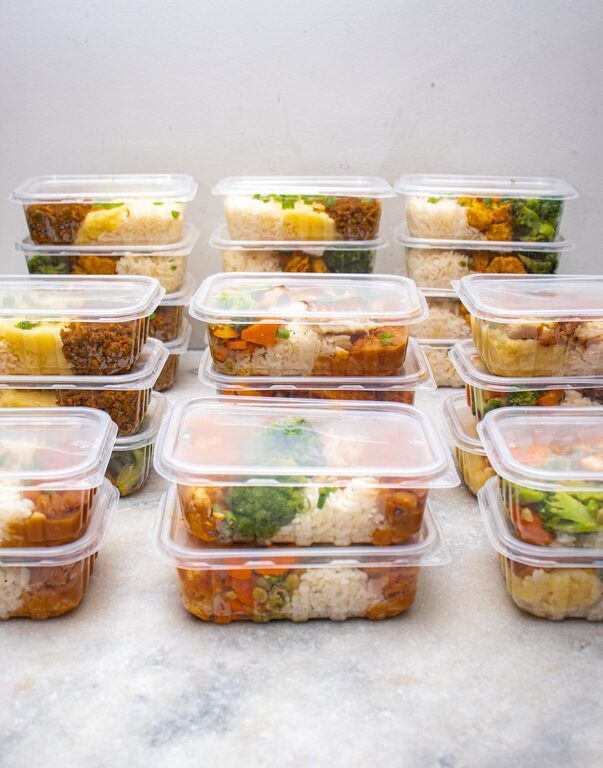
Use shallow containers for leftovers so they cool more evenly and are easier to reheat. Store food in portions that match the number of people in your household. This reduces the chance that a large container will be opened, ignored, and forgotten.
Understand Food Date Labels
Date labels can be confusing, and many people throw away food that is still usable. Some labels indicate quality rather than safety. Terms such as “best if used by” often refer to freshness or flavor, while other labels may provide handling guidance.
Use your senses and common sense when evaluating food. Check its appearance, texture, and smell, and follow safe storage instructions. When in doubt, discard it.
Keep in mind that date labels are not a reason to ignore food safety. Foods that require refrigeration should be stored properly, and perishable items should not be left at room temperature for extended periods.
Use More of the Food You Buy
Many parts of food that are often discarded can be used in other dishes.
Turn scraps into ingredients
Try these ideas:
– Use vegetable stems and trimmings in stock
– Add broccoli stems to stir-fries or soups
– Blend soft fruit into smoothies
– Use stale bread for breadcrumbs, croutons, or toast
– Add leafy green stems to sauces or cooked dishes
– Save citrus zest for baking, dressings, or marinades
– Use herb stems in soups, sauces, or infused water
Only use scraps that are clean and suitable for eating. Remove damaged or spoiled portions, and wash produce as needed.
Refresh food that is losing its texture
Some foods can be improved with simple preparation. Wilted greens may become crisp again after soaking briefly in cold water. Slightly stale bread can be warmed or turned into another dish. Soft apples or berries can be cooked into a sauce or topping.
The goal is not to force yourself to eat food you do not enjoy. Instead, look for easy ways to change its texture or use it in a recipe where appearance matters less.
Manage Leftovers Creatively
Leftovers do not have to feel like the same meal repeated. A few additions can turn them into something new.
Roasted vegetables can become a filling for wraps, a topping for grain bowls, or an ingredient in an omelet. Cooked chicken can be added to soup, salad, tacos, or sandwiches. Extra rice can be used for fried rice or a rice bowl.
Store sauces, cooked grains, and proteins separately when possible. This gives you more flexibility when creating a second meal.
If you know you will not eat leftovers soon, freeze them in clearly labeled portions. Freezing smaller amounts makes it easier to thaw only what you need.
Control Portions
Serving too much food often leads to unfinished plates. Start with smaller portions and let people serve themselves more if they are still hungry. This is especially useful when trying a new recipe or cooking for guests.
When eating out or ordering takeout, consider sharing large portions or saving part of the meal before you begin eating. Store leftovers promptly and use them within a reasonable time.
Keep a Waste Journal
For one or two weeks, write down the food your household throws away. Note what it was, how much was wasted, and why.
Common patterns may include:
– Buying too much fresh produce
– Cooking more than the household can eat
– Forgetting food in the refrigerator
– Preparing meals that are not popular
– Storing food in containers that are hard to see
Once you identify the main causes, choose one change to test. You might buy smaller amounts, freeze extra portions, or move soon-to-expire foods to a more visible shelf.
Compost What You Cannot Use
Even with careful planning, some food scraps cannot be eaten. Composting can keep many of these scraps out of the trash and turn them into a useful soil amendment.
Depending on your local program, accepted materials may include fruit and vegetable scraps, coffee grounds, tea leaves, eggshells, and yard waste. Check local guidelines before starting, since accepted items vary.
If a community composting service is available, it may be a convenient option. A small countertop container with a lid can also make it easier to collect scraps until they are taken outside or dropped off.
Make Waste Reduction a Habit
You do not need to change everything at once. Start with one or two habits, such as planning meals before shopping, labeling leftovers, or keeping an “eat first” shelf.
Small actions become more effective when everyone in the household understands the system. Make food easy to see, keep storage simple, and review your shopping habits regularly. Over time, these steps can help you waste less, save money, and make the most of the food already in your kitchen.