









What Is a Mindful Breathing Break?
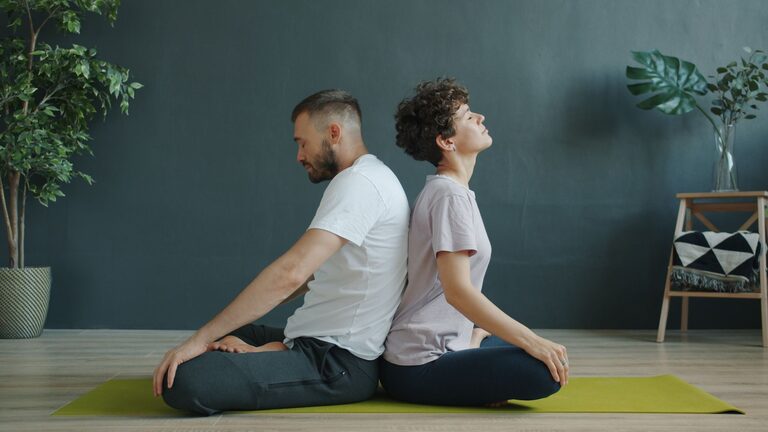
A mindful breathing break is a short pause during the day when you bring your attention to your breathing. Instead of checking your phone, rushing to the next task, or letting your thoughts wander, you take a moment to notice each breath as it happens.
These breaks do not need to be long or complicated. A few focused breaths can create a clear transition between activities. You can practice at your desk, in the car before driving, during a walk, or while waiting for an appointment.
The goal is not to empty your mind or breathe in a perfect way. The goal is simply to notice your breath and return your attention when it drifts.
Why Try Breathing Breaks?
Daily routines often include many small moments of hurry. You may move from one task to another without pausing to check in with yourself. A mindful breathing break offers a simple way to slow down for a moment.
Regular breaks may help you:
– Create a clear pause between activities
– Notice tension in your body
– Return attention to the task in front of you
– Build a steady mindfulness habit
– Approach busy moments with greater awareness
– Add a few quiet moments to your schedule
A breathing break is not a replacement for rest, sleep, or support when you need it. Think of it as a small, practical habit that can fit alongside the rest of your routine.
Start With Just One Minute
One of the most common beginner mistakes is setting an overly ambitious goal. You do not need to practice for 20 minutes to get started. In fact, beginning with one minute makes it easier to build consistency.
Try this simple practice:
- Sit or stand in a comfortable position.
- Let your hands rest naturally.
- Notice where you feel your breathing, such as your nose, chest, or belly.
- Follow one complete inhale and exhale.
- Continue for about one minute.
- When the time is up, return to your activity.
There is no need to change your breathing at first. Simply observe it. If your breath feels uneven, shallow, or faster than usual, notice that without judging it.
Once one minute feels familiar, you can gradually try two or three minutes. Choose a length that feels realistic rather than impressive.
Find a Comfortable Position
You can practice mindful breathing in almost any position. Comfort helps you stay attentive, but you do not need a special cushion, quiet room, or certain posture.
Try one of these options:
– Sit in a chair with both feet on the floor
– Stand with your shoulders relaxed
– Rest on a couch or bed
– Sit outside on a bench
– Walk slowly while noticing your breathing
Keep your posture natural. You may sit upright without becoming stiff, or stand tall without forcing your shoulders back. If closing your eyes feels distracting or uncomfortable, keep them open and use a soft gaze.
The best position is one that allows you to remain present without creating unnecessary strain.
Use a Simple Breathing Pattern
For beginners, natural breathing is often the easiest place to start. There is no need to count or control every breath. Let your body breathe normally while you observe the rhythm.
If you prefer a little structure, try counting gently:
– Inhale and count “one”
– Exhale and count “two”
– Continue until you reach ten
– Start again at one
If you lose count, simply begin again. Losing focus is a normal part of the practice, not a sign that you are doing it wrong.
You can also use the words “in” and “out” silently as you breathe. These simple reminders give your attention something clear to follow.
Avoid forcing deep breaths or holding your breath. The practice should feel easy and comfortable. If a breathing pattern feels unpleasant, return to your normal breathing or stop the exercise.
Expect Your Mind to Wander
Many people assume mindfulness means keeping a perfectly focused mind. In reality, thoughts will appear. You may remember an email, plan dinner, replay a conversation, or notice a sound nearby.
When this happens, try these three steps:
- Notice that your attention has wandered.
- Acknowledge it without criticism.
- Gently return to the next breath.
This return is the main part of the practice. Each time you notice distraction and come back, you are practicing awareness.
It may help to use a friendly phrase such as, “Thinking,” “Planning,” or “Back to the breath.” The phrase can identify what happened without pulling you into a longer train of thought.
Connect Breaks to Daily Activities
A regular cue makes a new habit easier to remember. Instead of waiting for the perfect time, connect your breathing break to something you already do.
You could practice:
– After making your morning coffee
– Before opening your email
– Between meetings
– After lunch
– When you finish a household task
– Before starting your commute
– After turning off your computer
– While waiting for a page or file to load
Choose one cue that happens most days. For example, after you sit at your desk, take three mindful breaths before beginning work. The small routine can become a natural transition.
You can also use environmental reminders. Place a note near your monitor, set a quiet timer, or use a visual cue such as a plant or a mug. Keep reminders simple so they support the habit rather than becoming another task.
Try a Three-Breath Reset
When you have very little time, use a three-breath reset.
First Breath: Arrive
Notice where you are. Feel your feet on the floor or the support of the chair beneath you. Allow your attention to move away from the previous activity.
Second Breath: Observe
Pay attention to the breath as it moves in and out. Notice its pace and texture without trying to change it.
Third Breath: Choose
Ask yourself what you want to bring to the next moment. You might choose patience, focus, steadiness, or simply a willingness to begin.
This reset takes less than a minute and can be used before a conversation, task, meal, or change in location.
Make the Practice Work for You
Mindful breathing does not need to look the same every day. Some days you may sit quietly. Other days you may practice while walking or standing in a busy space.
Keep these tips in mind:
– Start small and practice consistently
– Choose a time when you are unlikely to be interrupted
– Keep your expectations flexible
– Notice your experience instead of judging it
– Return to natural breathing whenever needed
– Treat missed days as normal, not as failure
– Adjust the practice to suit your surroundings
If focusing on breathing feels uncomfortable, place your attention on another neutral experience, such as the feeling of your feet on the ground or the sounds around you. Stop if you feel unwell or distressed, and choose an activity that feels more comfortable.
Build a Gentle Routine
The value of a breathing break comes from using it regularly, not from making it perfect. Begin with one planned break each day for a week. After that, decide whether you would like to continue, change the timing, or add a second short break.
At the end of each practice, take a moment to notice how you feel. You do not need to rate the experience or look for a dramatic change. Simply recognize that you paused and paid attention.
Over time, these small pauses can become useful anchors in a busy day. A single breath may not change your entire schedule, but it can help you notice the moment you are in—and give you a clear place to begin again.