






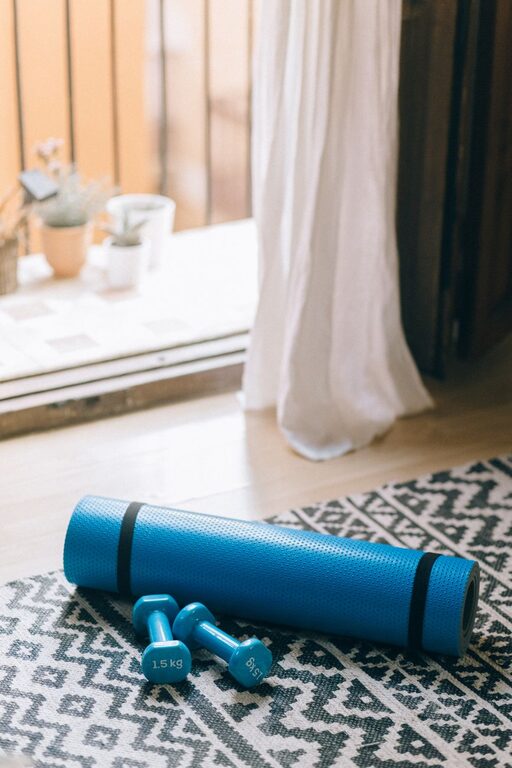
A dedicated workout corner can make exercise more convenient, comfortable, and consistent. You do not need a large room, expensive machines, or a complete home gym. With a small amount of planning, you can create a useful space in a bedroom, living room, basement, garage, or even a quiet section of a hallway.
The goal is to build a workout area that is easy to use and simple to maintain. Start with the space you already have, choose equipment that matches your interests, and keep the setup flexible enough for different types of movement.
Choose the Right Location
The best workout corner is a place you can reach easily and use regularly. A space near your daily routine may encourage you to exercise more often than equipment stored in a hard-to-reach closet.
Look for an area with:
– Enough open floor space to move safely
– A stable, level surface
– Good lighting
– Fresh airflow
– Nearby storage for equipment
– A location that does not block doors, walkways, or household activities
You do not need a large area. A space about the size of a yoga mat can work for stretching, bodyweight exercises, light strength training, and mobility work. If you plan to use resistance bands, dumbbells, or a step platform, allow extra room around the mat.
Before setting up, measure the area. Mark the available floor space with painter’s tape if you are unsure whether it is large enough. Try a few basic movements, such as reaching overhead, stepping side to side, or lying down. This quick test can help you identify furniture or low ceilings that may get in the way.
Prepare the Floor
A comfortable and stable floor can make your workout corner more inviting. It can also help protect the existing floor from marks or equipment.
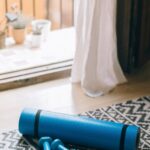
A fitness mat is a useful starting point. Choose one that is long enough for your body and thick enough to provide comfort during floor exercises. A textured or nonslip surface can help the mat stay in place.
For a more permanent setup, consider interlocking foam tiles or rubber flooring. These options can provide cushioning and may be helpful if you use small weights. They are also easy to remove or rearrange in many spaces.
Keep the area clean and dry. Dust, loose items, and slippery surfaces can make movement less comfortable. Wipe the mat regularly according to the manufacturer’s instructions, and check it for damage or curling edges.
Start With Basic Equipment
You can build an effective workout corner with only a few versatile items. Begin with equipment that supports the activities you already enjoy instead of buying a large collection at once.
Useful basics include:
– A workout mat
– Resistance bands with different tension levels
– A pair of light or moderate dumbbells
– A jump rope, if you have enough ceiling height and floor space
– A sturdy step platform
– A small towel and water bottle
– A timer or phone stand
Resistance bands are lightweight, affordable, and easy to store. They can be used for a variety of upper-body and lower-body exercises. Dumbbells are useful for adding resistance to simple movements, while a step platform can support step-ups and other exercises.
If you prefer low-impact activities, you may need only a mat, bands, and a comfortable place to sit or lie down. If you enjoy cardio workouts, leave enough open space for marching, dancing, or other equipment-free activities.
Avoid buying equipment simply because it is popular. Consider how often you will use it, where you will store it, and whether it fits your workout goals.
Add Smart Storage
A tidy workout corner is easier to use. When equipment is scattered across the room, starting a workout can feel like an extra task.
Use storage that fits your space, such as:
– A small basket for bands and jump ropes
– A vertical rack for dumbbells
– Wall hooks for towels or resistance bands
– A narrow shelf for accessories
– A storage bench with an empty compartment
– A rolling cart that can be moved when needed
Keep frequently used items within easy reach. Place less-used equipment in a nearby closet or storage container. Labeling containers can also make it easier to find small accessories.
Avoid stacking heavy items where they may fall. Store dumbbells and other weights on a strong, stable surface close to the floor. Keep cords and straps away from walkways.
Make the Corner Pleasant
A workout space does not need to look like a commercial gym. A few personal touches can make it feel welcoming and encourage regular use.
Consider adding:
– A mirror for checking general form and positioning
– A small speaker for music or guided classes
– A clock or visible timer
– A plant, if the space has suitable light
– A simple wall calendar for tracking workouts
– A bright lamp if the corner is dim
Use colors and items that make the area feel calm and organized. Keep decorations limited so the space remains practical and easy to clean.
If you share your home with others, make sure the setup works for everyone. Choose equipment that can be packed away quickly, or use a folding mat and a small storage basket that can be moved when the room has another purpose.
Create a Simple Workout Plan
Your workout corner is most useful when you know what to do there. A basic plan can reduce decision-making and help you stay consistent.
A balanced weekly routine might include:
Movement and Mobility
Use gentle stretches and mobility exercises to move through a comfortable range of motion. This can be a short morning routine or a few minutes before and after other activities.
Strength Work
Use bodyweight exercises, resistance bands, or dumbbells for movements such as squats, rows, presses, and hinges. Choose a pace and resistance level that allow you to maintain controlled movement.
Cardio
Marching in place, step-ups, dancing, or a short circuit can add active movement without requiring large machines. Select options that suit your available space and noise level.
Start with short sessions that are realistic for your schedule. For example, you might plan three 20-minute workouts each week. As the habit becomes easier, you can adjust the length, frequency, or variety.
Keep Safety in Mind
Before each session, clear the floor and check that equipment is in good condition. Make sure mats lie flat and bands do not show visible damage. Use weights and accessories on a stable surface.
Wear comfortable clothing and shoes suited to the activity. Move with control, especially when learning a new exercise. Avoid placing equipment near sharp corners, glass furniture, or unstable shelves.
If an exercise causes sharp or unusual discomfort, stop and choose a different activity. When using online workout videos, select routines that match your experience and available space. You can also adjust movements to reduce noise and avoid disturbing others.
Improve the Space Over Time
You do not need to finish your workout corner in one weekend. Use it regularly and notice what works. You may discover that you need more storage, a thicker mat, or fewer items.
After a few weeks, ask yourself:
– Which equipment do I use most?
– Is anything taking up space without being useful?
– Is the area easy to clean?
– Can I start a workout without rearranging the room?
– Does the setup support the activities I enjoy?
Make small changes based on your answers. A successful workout corner is not the one with the most equipment. It is the one that makes movement accessible, organized, and easy to include in your everyday routine.