










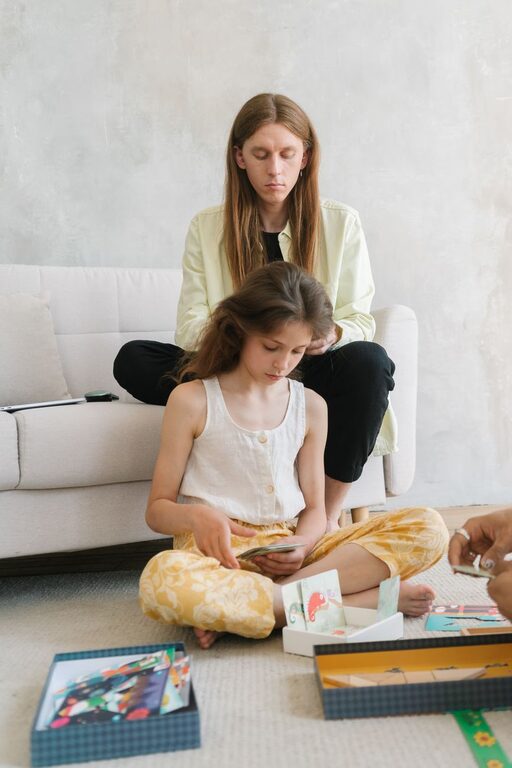
Family game night is a simple way to spend quality time together without leaving home. You do not need expensive equipment, complicated rules, or a perfectly planned schedule. With a few games, easy snacks, and a little creativity, you can create an evening that everyone enjoys.
Whether your family loves friendly competition, creative challenges, or cooperative activities, these ideas can help you plan a fun night for all ages.
Choose a Game Night Theme
A theme can make an ordinary evening feel like a special event. Keep it simple and choose a theme that matches your family’s interests.
Try one of these ideas:
– Game show night: Create teams, ask trivia questions, and give small prizes.
– Around the world: Play games from different countries and serve international snacks.
– Pajama game night: Let everyone wear comfortable pajamas and add blankets and pillows.
– Mystery night: Use clues, riddles, and a simple family-friendly mystery story.
– Retro night: Play classic board games and listen to music from the past.
– Outdoor adventure indoors: Set up camping chairs, flashlights, and nature-themed games in the living room.
– Color theme: Choose one color for decorations, snacks, and game pieces.
A theme does not need to be elaborate. Even a special snack or a few decorations can help make the evening feel different from a regular night at home.
Pick Games for Different Ages
The best game night includes activities that fit everyone’s age and attention span. If younger children are playing with older kids and adults, choose games with simple rules and flexible play times.
Board Games
Board games are a classic choice because they are easy to set up and offer many different styles of play. Choose a mix of short and longer games so players can take breaks when needed.
Good options include:
– Matching and memory games for younger children
– Word games for older children and adults
– Strategy games for families who enjoy planning
– Cooperative games where everyone works toward the same goal
– Classic games that family members already know
If a game is new to the group, read the instructions before game night. A short practice round can help everyone understand the rules without pressure.
Card Games
Card games are affordable, portable, and easy to adapt. Simple games such as Go Fish, Uno, Old Maid, and Crazy Eights can work well for a wide range of ages.
For a creative twist, make your own family card game. Write questions, challenges, or funny prompts on blank cards. Players can answer questions such as:
– What is your favorite family memory?
– If you could visit any place, where would you go?
– What food would you eat every day?
– What animal would make the best pet?
Keep the questions light and welcoming so everyone feels comfortable participating.
Active Games
Not every game needs to happen around a table. Add movement to the evening with games such as charades, balloon volleyball, indoor bowling, or a scavenger hunt.
For indoor bowling, place empty plastic bottles at one end of a hallway and roll a soft ball toward them. For a scavenger hunt, hide clues around the house and create a small surprise at the end.
Active games are especially helpful when children need a break from sitting. They can also add energy between quieter activities.
Try Cooperative Games
Competition can be fun, but cooperative games give the family a chance to work as a team. In these games, everyone shares a goal instead of playing against one another.
Create a family challenge such as building the tallest tower from paper cups, completing a puzzle before a timer ends, or finding objects that match a list of clues.
You can also tell a group story. One person begins with a sentence, and each player adds another sentence. Encourage funny characters, unexpected settings, and creative problems to solve.
Cooperative activities are a good choice when younger children may become frustrated by losing. They also help family members practice listening, sharing ideas, and celebrating group success.
Plan a Friendly Tournament
If your family enjoys a little competition, organize a short tournament. Select three or four quick games and create a simple score sheet. Players can earn points for each round, or teams can compete for the highest total.
Tournament ideas include:
– Paper airplane distance
– Cup stacking
– Trivia questions
– Drawing challenges
– Puzzle races
– Sock toss into a laundry basket
– Rock paper scissors
Keep the focus on fun rather than winning. Consider giving awards for categories such as best teamwork, funniest answer, most creative drawing, or strongest effort. This allows more people to feel included.
Add Creative Challenges
Creative games are a great way to include family members who do not enjoy traditional board games. Set out paper, pencils, crayons, building blocks, or craft supplies, and give everyone a challenge.
Try prompts such as:
– Draw a new family pet that does not exist.
– Build a house for a tiny visitor.
– Design a family flag.
– Create a new board game.
– Make the funniest hat from household items.
– Draw a picture using only shapes.
Set a time limit of five to ten minutes, then invite everyone to show their creation. Avoid judging artistic skill. The goal is to enjoy the process and laugh together.
Serve Easy Game Night Snacks
Food can make game night feel festive, but it does not need to be complicated. Choose snacks that are easy to eat and unlikely to damage game pieces.
Helpful options include:
– Popcorn
– Pretzels
– Fresh fruit
– Vegetable sticks
– Cheese cubes
– Crackers
– Mini sandwiches
– Cookies
– Water or juice
Use small bowls and cups to reduce spills. If you are playing at a table, keep food in one area away from cards and boards. You can also plan a snack break between games instead of eating while playing.
For a fun touch, give snacks creative names based on the evening’s theme. For example, a space-themed night could include “moon popcorn” and “rocket fruit skewers.”
Make Everyone Feel Included
A successful family game night should be comfortable for all participants. Before starting, explain the rules clearly and check whether anyone needs help reading cards, keeping score, or handling game pieces.
You can also make small adjustments:
– Form mixed-age teams.
– Shorten games for younger players.
– Allow players to choose between two activities.
– Give children a role such as scorekeeper or card dealer.
– Take breaks between rounds.
– Let anyone skip an activity without pressure.
Remember that family members may enjoy different kinds of games. A flexible schedule gives everyone a chance to participate in a way that suits them.
Finish with a Special Tradition
End the evening with a simple tradition that your family can repeat each time. Take a group photo, choose a favorite game, or let everyone share their funniest moment.
You might also create a family game night jar. Write down game ideas on slips of paper and place them in the jar. At the beginning of each game night, draw one activity at random. Add new ideas whenever someone thinks of one.
With a little planning and a relaxed attitude, family game night can become a favorite tradition. The most important part is not choosing the perfect game or keeping score. It is creating time to talk, laugh, and enjoy being together at home.